Looking for ways to keep your house cool in summer without watching your energy bill climb?
Whether you’re dealing with a heat wave, a home without central air, or just trying to cut cooling costs, there are plenty of smart strategies that actually work. Here are 20 of the best — with or without air conditioning.
Block Heat Before It Gets Inside

Close Curtains and Blinds
Up to 30% of unwanted heat enters your home through windows.
Keep curtains and blinds closed during peak sun hours — roughly 10am to 4pm.
Insulated blackout curtains are the most effective option for keeping rooms cooler and, in winter, they pull double duty by keeping warmth in.
Use Reflective Window Film
Reflective window film bounces sunlight back before it can warm your space. It’s a cost-effective fix for south- and west-facing windows.
Most options are non-adhesive and removable, making them a great solution for renters.
Install Shade Structures
Blocking sun before it hits the glass is even more effective than blocking it inside. Awnings, pergolas, shade sails, or a well-placed patio umbrella all help keep indoor temperatures comfortable.
Plant Trees Strategically
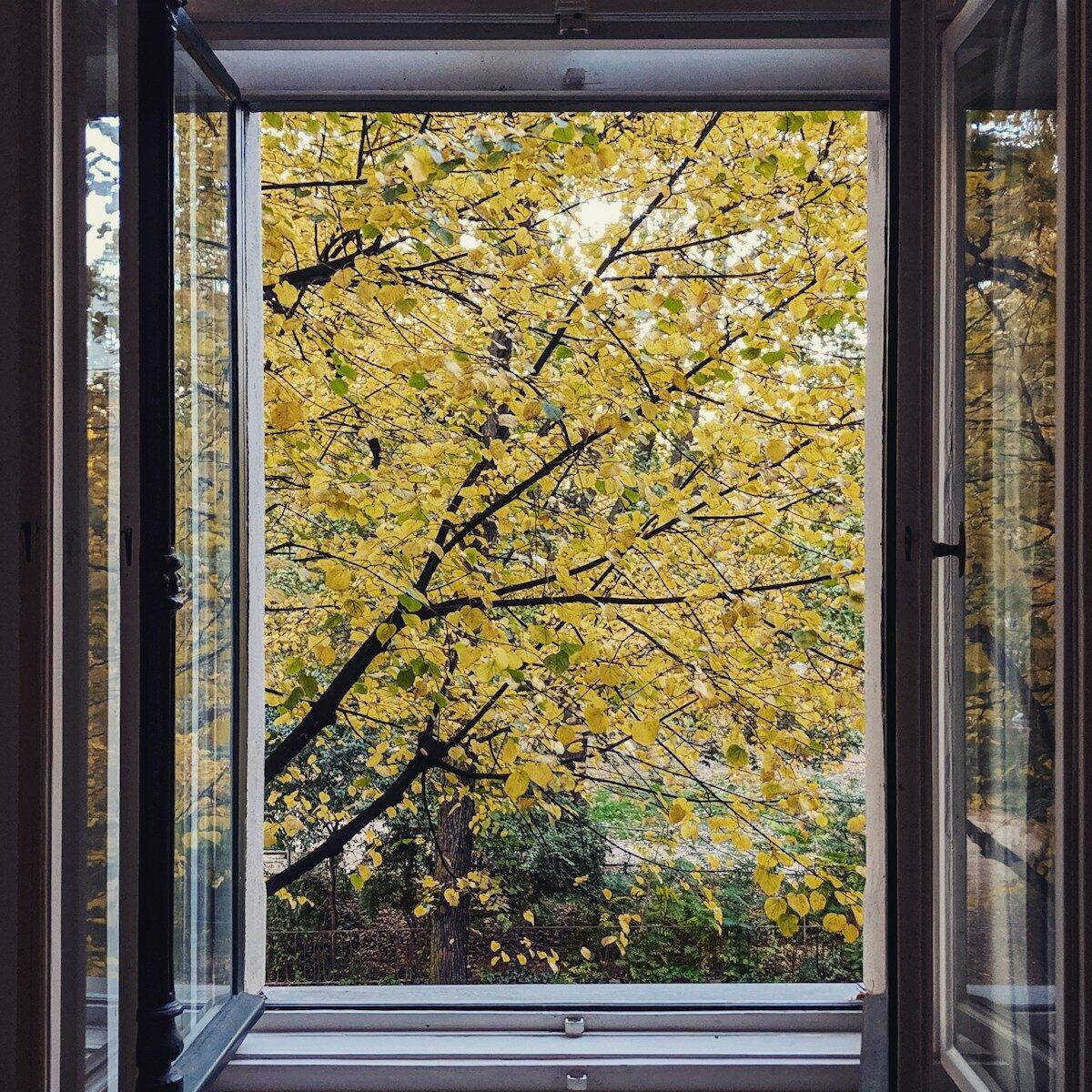
Planting shade trees on the south and west sides of your home can reduce air conditioning needs by up to 25%, according to the U.S. Department of Energy.
It’s a long-term investment, but even fast-growing varieties make a meaningful difference within a few years.
Use a Light-Colored Exterior
Dark exterior colors absorb heat; light ones reflect it. If you’re planning to repaint a dark front door or exterior surface, going lighter can reduce how much heat your home absorbs throughout the day.
Seal Leaks Around Windows and Doors
Gaps around windows and doors let warm air sneak in and cool air escape. Check for drafts and seal any problem areas with weatherstripping or caulk — an inexpensive fix that improves both summer cooling and winter heating efficiency.
Maximize Airflow and Ventilation
Use Cross-Ventilation
In the cooler morning and evening hours, open windows on opposite sides of your home to create a natural breeze.
Place box fans in windows.
One drawing cool fresh air in on the shaded side, one pushing hot air out on the sunny side of your home, to speed up the process.
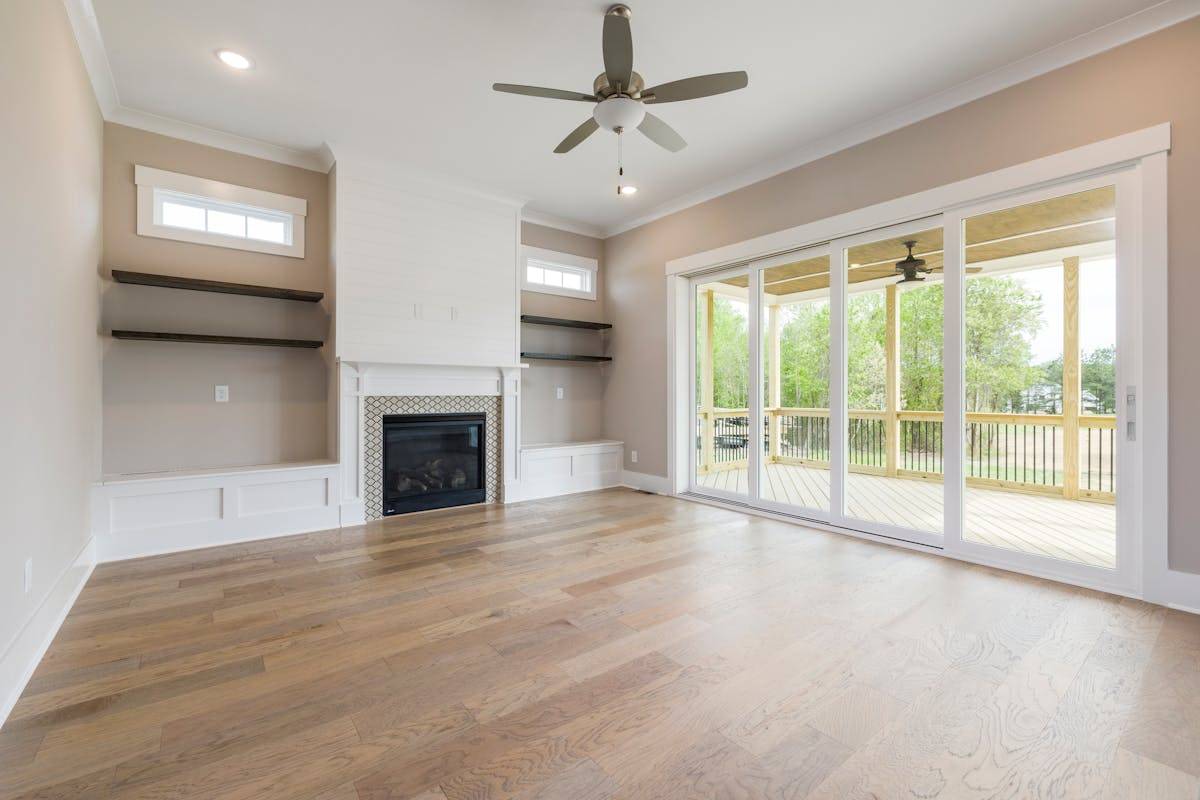
Use Ceiling and Window Fans Wisely
Ceiling fans create a wind-chill effect that makes you feel cooler, but they don’t actually lower the room temperature — so turn them off when you leave. Set your ceiling fan to run counterclockwise in summer to push cool air down. Window fans work well as part of your cross-ventilation strategy.
Add an Attic Fan
Attic temperatures can hit 150°F on a hot day, and that heat transfers directly into your living spaces. An attic or whole-house fan expels trapped hot air and pulls in cooler air from outside, significantly reducing the load on your air-conditioner.
Close Off Unused Rooms
Close doors to rooms you aren’t using — bathrooms, closets, spare bedrooms — to stop heat from spreading. If you have central air, also close the vents in those rooms to redirect cool air where you actually need it.
Reduce Heat Sources Inside Your Home
Avoid Cooking and Baking During Peak Hours
Your oven can raise the kitchen temperature by several degrees and keep it warm for hours. During summer, shift to no-cook meals like salads, or use the microwave, the air fryer, or grill outdoors during the hottest parts of the day to reduce unnecessary heat.
Run Heat-Generating Appliances at Night
Dishwashers, dryers, and washing machines all generate heat. Running them in the evening keeps your home cooler during the day and can also help you avoid peak electricity demand hours, reducing your energy costs.
Switch to LED Bulbs and Unplug Electronics
Incandescent bulbs convert most of their energy into heat rather than light. LED bulbs run much cooler and use far less energy.
Similarly, electronics and chargers generate heat in standby mode. Unplugging what you’re not using reduces both phantom load and the temperature of your home.
Get More Out of Your Air Conditioning
Install a Programmable Thermostat
A smart thermostat lets you automatically raise the temperature while you’re away and cool things down before you return.
The U.S. Department of Energy estimates savings of around 10% per year on heating and cooling costs. Many utility companies also offer rebates, so check before you buy.
Use Vent Booster Fans and Close Unused Vents
If upper floors never cool down properly, vent booster fans push conditioned air further into those rooms. And in rooms you’re not using, close the vents entirely.
Magnetic vent covers make it easy to redirect airflow where it’s needed most.
Stay Cool While You Sleep
Switch to Breathable Bedding
Heavy bedding traps heat. Swap to lightweight cotton, linen, or bamboo sheets in summer — they wick moisture and allow airflow, making a noticeable difference for hot sleepers.
Try a Cooling Mat, Pillow, or the Ice Fan Hack
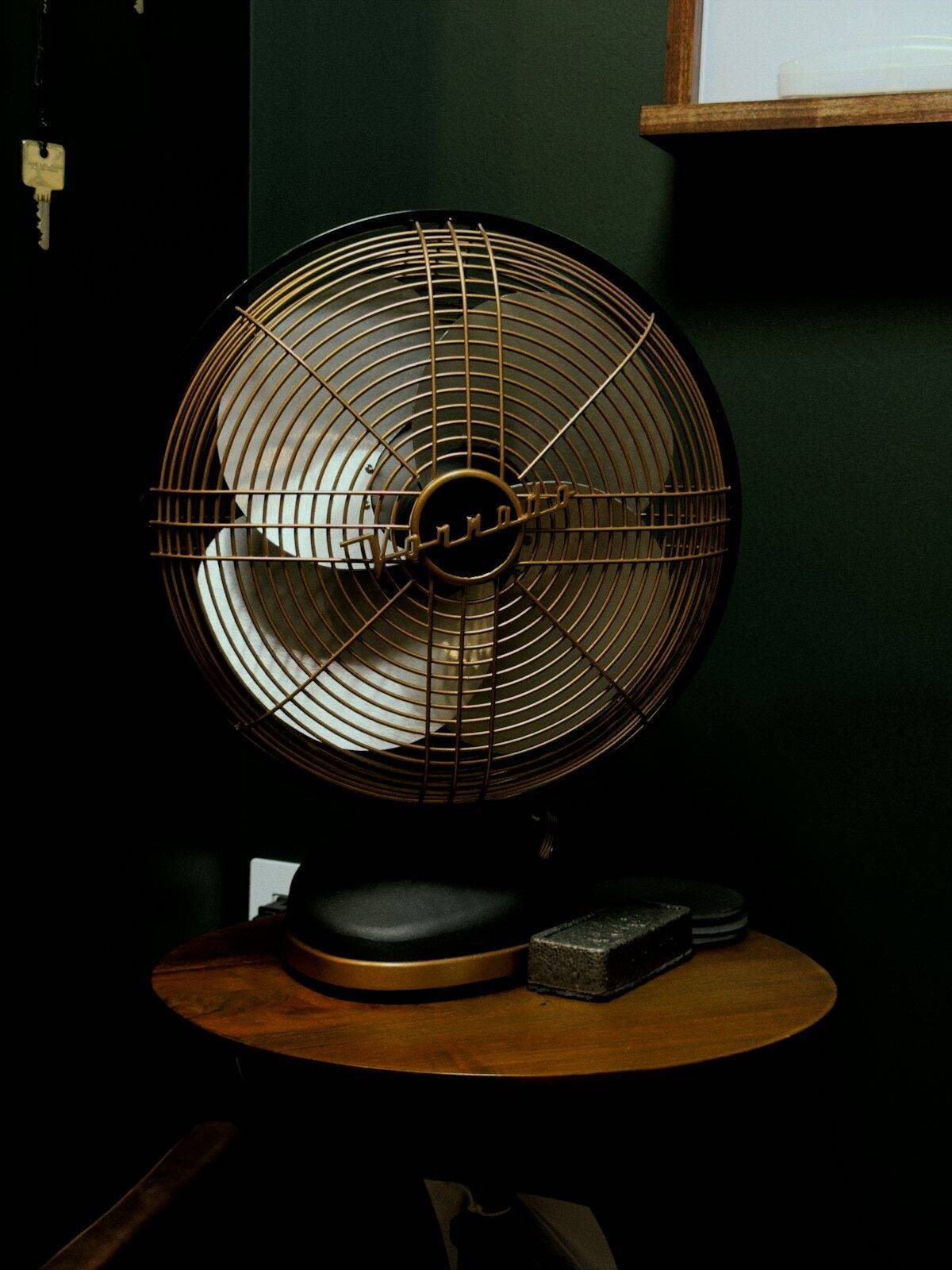
Cooling pillows and mattress pads use gel or breathable materials to absorb body heat at night. For a quick DIY fix, place a bowl of ice cubes in front of the fan — as air passes over the ice, it creates a cool breeze that works surprisingly well in smaller spaces.
Frequently Asked Questions
What is the best way to keep a house cool in summer?
A combination of blocking heat at the source, closing curtains, using window film, adding shade, and improving airflow through cross-ventilation and fans tends to be the most effective approach.
Paired with a programmable thermostat, these strategies can significantly reduce your cooling costs.
How do I keep my house cool without AC?
Focus on keeping heat out during the day by closing blinds, sealing gaps, and avoiding the oven. In the cooler morning and evening hours, use cross-ventilation and fans to flush out accumulated heat.
An attic fan is one of the highest-impact upgrades for homes without central air, helping reduce indoor air temperature.
What keeps a house cool naturally?
Natural cooling strategies include cross-ventilation, shade trees, light exterior colors, and materials like stone and tile that stay cool.
Older homes in warm climates were often built with high ceilings, covered porches, and deep overhangs specifically to manage heat without mechanical cooling.
A Cooler Home Starts With Small Changes
You don’t need to overhaul your entire home to stay comfortable in hot weather this summer.
Start with the low-cost, high-impact changes: closing your blinds during peak sun hours, using fans for cross-ventilation, running appliances at night, and building from there.
A well-ventilated, properly shaded home needs far less mechanical cooling, even on the hottest days, which is good news for both your comfort and your energy bill.


Great article! However, I’d like to mention that for the sake of saving energy and reducing your bills, always remember that ceiling fans only circulate air. They don’t actually cool the room or lower the temperature. They only make you feel cooler when you’re underneath them. So, remember to turn them off whenever you leave the room.