This comprehensive guide covers all the things to do before vacation and leaving home, from securing entry points to managing utilities.
There’s something magical about those final moments before vacation—boarding passes printed, bags packed, and adventure ahead. But before you lock that front door, there’s one more crucial step: preparing your home for your absence.

The last thing you want while relaxing on the beach is a nagging worry about what’s happening back home.
Did you lock the windows?
Is the mail piling up?
These essential steps prevent costly problems, deter break-ins, and ensure you return to a fresh, welcoming space.
Securing Your Home for Safety and Peace of Mind
The foundation of vacation preparation starts with ensuring your home is safe and secure. These steps protect against break-ins and safeguard against emergencies while you’re away.
Testing Your Safety Systems
Before leaving town, test every smoke detector and carbon monoxide alarm in your home. Press the test button on each unit and listen for the alert sound. If batteries are low, replace them immediately; this five-minute task could save your home.
While it seems counterintuitive to worry about smoke detectors when you won’t be cooking, fires can start from electrical issues, plugged-in appliances, or lightning strikes. A working detector alerts neighbors who can call emergency services before significant damage occurs. Carbon monoxide alarms are equally important if you have gas appliances or an attached garage.
Locking Up and Securing Entry Points
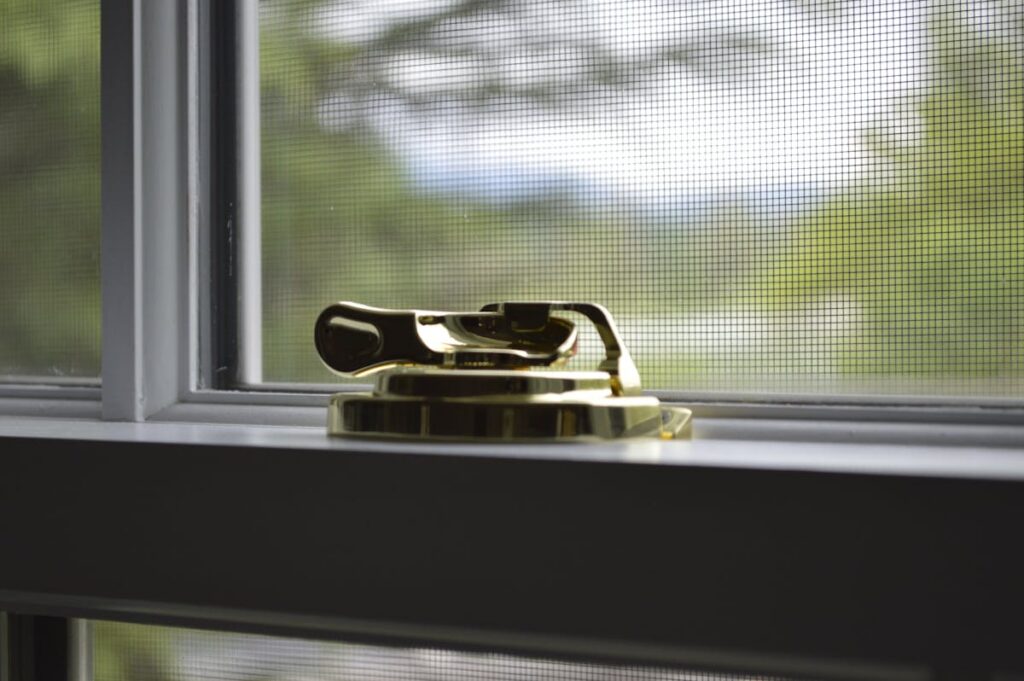
Walk through your home and check every window, ensuring each is closed and locked. Pay attention to basement windows, often overlooked, and second-story windows that people assume are secure due to height.
For doors, verify that deadbolts are engaged on all exterior entries—not just the main door. This includes side doors, back doors, and the garage entry into your home. Sliding glass doors deserve special attention: place a dowel or security bar in the track to prevent forced entry even if the lock fails.
Don’t forget your garage door. If you have an automatic opener, consider unplugging it or using the manual lock to prevent universal remote access.
Setting Up Your Security and Lighting
If you have a security system, notify your monitoring company that you’ll be away. Provide travel dates and a local emergency contact who can respond to alarms. Some systems offer “away” modes with enhanced monitoring.
One of the most effective deterrents is the appearance that someone’s home. Set up light timers throughout your house to turn lamps on and off at realistic times—early morning, evening, and nighttime hours. Vary the timing if possible, as lights that activate at identical times signal automation.
Smart home devices offer additional advantages. Smart lights can include random variations, smart locks enable remote monitoring, and cameras let you check your property from anywhere. Even a radio on a timer creates the sound of activity.
Critical reminder: don’t announce vacation plans on social media until after you return. Broadcasting that your home is empty invites trouble.
Protecting Against Water Damage
Water damage is one of the most common and costly problems homeowners face during vacations. A small leak becomes a disaster when no one’s around to notice it.
For trips lasting more than a few days, consider turning off your main water supply. Locate your home’s main shutoff valve, usually near the water meter or where the main line enters, and turn it clockwise until it stops. This prevents catastrophic flooding from burst pipes or failed appliances.
Before shutting off water, set your water heater to vacation mode or turn it down significantly. Most modern heaters have a “VAC” setting that maintains water at a lower temperature, preventing bacterial growth while conserving energy.
If yours doesn’t have this feature, turn the thermostat to its lowest setting. This saves money on utilities while reducing pressure buildup risk in an unused system.
Inspect under all sinks for moisture or slow leaks. Check supply lines to toilets, washing machines, and dishwashers. Address anything questionable before leaving rather than hoping it holds.

Managing Utilities and Energy
Smart utility management saves money, reduces system wear, and minimizes potential problems.
Adjusting Your Thermostat Strategically
Thermostat settings require careful balance: conserve energy while protecting your home from temperature extremes.
For summer vacations, don’t turn off air conditioning entirely. Set your thermostat around 85°F. This prevents excessive heat buildup that damages electronics, warps furniture, or creates ideal mold conditions in humid climates. Running AC at a higher temperature costs less than repairing heat-damaged items.
In winter, never let your home drop below 50°F. This prevents pipes from freezing and bursting—one of the most expensive vacation problems, often costing thousands in repairs. In harsh winter climates, consider setting your thermostat to 55-60°F for added protection.
Smart thermostats make this easier, allowing remote adjustments and alerts if temperatures exceed set parameters.
Unplugging Electronics and Appliances
Even when off, electronics continue drawing power—phantom energy or vampire power. Over a vacation, this adds unnecessary costs and creates slight fire risk.
Unplug televisions, computers, gaming systems, phone chargers, coffee makers, toasters, and small appliances. These devices collectively account for 5-10% of energy usage. Keep refrigerators, freezers, security systems, and timer-connected devices plugged in. Maintain your modem and router if smart home devices need internet connectivity.
For valuable electronics, consider surge protectors even when unplugged, guarding against lightning or electrical surges.
Kitchen and Food Preparation
Your kitchen needs thorough attention, as food waste and organic matter create odors, attract pests, and make homecoming unpleasant.
Cleaning Out Your Refrigerator, Freezer, & Pantry
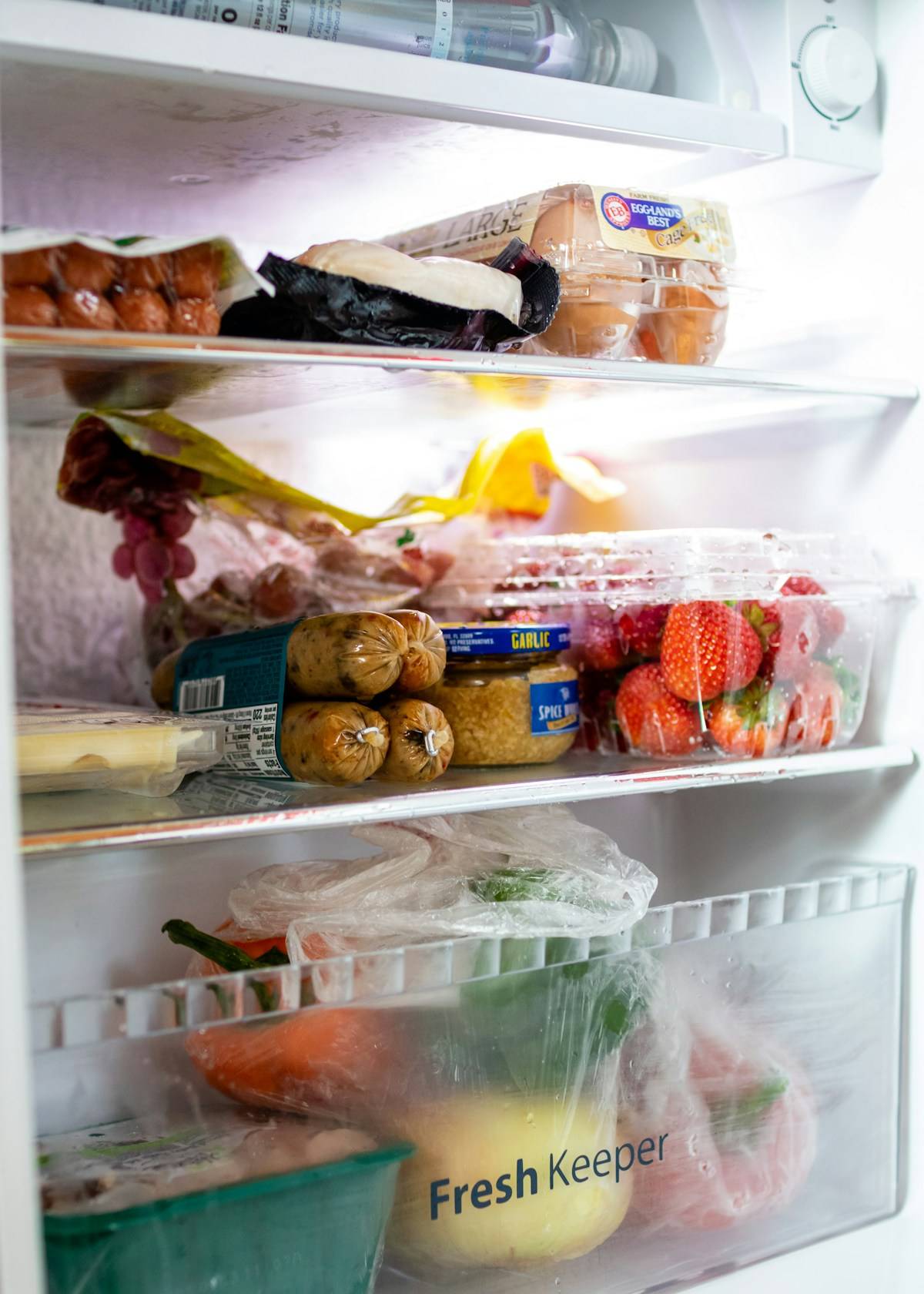
Sort through refrigerator contents systematically. Remove anything expiring before you return: milk, fresh produce, leafy greens, leftovers, and open meat or dairy. Check dates carefully and err on caution.
Items that can stay include unopened condiments, butter, hard cheeses, and bottled beverages. Freezer contents are generally fine due to longer shelf lives, but check for freezer-burned or forgotten items.
For perishables you’d hate wasting, get creative. Plan meals using fresh produce. Make soup or stew with multiple vegetables. Freeze ripe bananas for smoothies. Invite friends for a “clean out the fridge” dinner. Donate what you can’t use rather than tossing it.
After removing perishables, wipe down shelves and drawers. A clean fridge prevents odor development. Place an open baking soda box inside to absorb remaining odors.
Washing Every Last Dish
Dirty dishes attract pests, especially in warm weather. Even crumbs or sticky residue draw ants, fruit flies, or worse. Wash everything—plates, glasses, utensils, pots, and pans.
If your dishwasher has a load inside, run it before leaving and put dishes away, or unload clean dishes to free the machine for last-minute items.
Don’t overlook items throughout your home: coffee mugs on desks, water glasses on nightstands, or containers in offices. Complete cleaning means nothing develops mold or attracts bugs.
Cleaning and Protecting Your Drains
Drains can develop unpleasant odors when water sits stagnant and attract drain flies breeding in organic pipe matter.
Run your garbage disposal one final time with cold water to clear trapped food. Then grind half a lemon in the disposal with running water. Citrus naturally deodorizes and leaves drains smelling fresh.
For other drains—kitchen sinks, bathroom sinks, showers—pour a cup of white vinegar followed by boiling water down each. This breaks down buildup and eliminates odors. Alternatively, sprinkle baking soda in each drain before leaving to absorb moisture and prevent odor.
Taking Out All Trash and Food Waste
Remove every trash bag from your home—kitchen, bathrooms, bedrooms, offices. Even small amounts create terrible odors in closed houses, especially during summer. Rotting waste smells can permeate fabrics and require extensive airing.
After removing bags, sprinkle baking soda in empty cans to absorb moisture and lingering odors. For outdoor bins, ensure they’re secure and won’t create pest problems.
If you have a compost bin, empty it or ensure it’s properly secured and won’t create odor or pest issues.
Cleaning and Freshening Your Home
Coming home to a clean house makes your return pleasant. Freshening your space before leaving means walking into a welcoming environment rather than confronting chores while jet-lagged and unpacking.

Doing All the Laundry Before You Leave
Running all laundry serves two purposes: maximum clothing options when packing, and returning to an empty hamper. Wash everything—clothes, towels, linens, and other fabrics.
This is ideal timing to strip beds and air out mattresses. Remove all bedding including sheets, pillowcases, mattress protectors, and duvet covers. Wash and dry everything fresh. While mattresses are bare, sprinkle them liberally with baking soda. Let it sit for hours or overnight. Baking soda absorbs accumulated odors, oils, and moisture.
Before departing, vacuum up the baking soda. Leave beds stripped and make them when you return, or use clean linens before leaving—your preference. Either way, you’ll appreciate fresh bedding after traveling.
Managing Your Bathrooms
Bathrooms need specific attention to prevent odors and bacterial growth. Toilet bowls particularly can develop problems with unused water.
Sprinkle about half a cup of baking soda in each toilet bowl before leaving. This keeps water fresh and prevents odor or ring formation. When you return, simply flush. Some add white vinegar for extra cleaning, though baking soda alone usually suffices.
Run all faucets for a minute to flush pipes and prevent stagnant water in lines, especially important with older plumbing. While water runs, check for drips or leaks needing attention.
In humid climates, consider leaving bathroom exhaust fans running or using timers. This prevents mildew and mold. At minimum, hang or spread damp towels so they dry completely before closing the house.
Quick Clean-Through Before Leaving
Beyond deep cleaning specific areas, do a general tidy-up. Wipe down kitchen counters, bathroom sinks, and other surfaces to prevent sticky or dusty buildup. Put away clutter, straighten cushions, and create order.
Why this effort when no one will see it? Because you’ll appreciate walking into a clean, organized home when returning tired from travel. Nothing’s worse than dragging suitcases into a messy house and needing to clean before relaxing. Preparation creates peaceful homecoming.
Outdoor and Exterior Home Care
Your exterior deserves attention for both security and property maintenance.
Maintaining Your Lawn and Landscape
An overgrown, unkempt lawn clearly signals an unoccupied home. If leaving during growing season, mow grass right before departing. For long trips, arrange for neighbors, friends, or lawn services to mow at least once during your absence.
The same applies to other visible maintenance. Trim bushes if needed, edge walkways, and clear yard debris. Well-maintained exteriors suggest active property care, deterring potential problems.
For extensive landscaping properties, consider hiring services for your absence duration. The cost is worthwhile for security benefits and maintained curb appeal.
Setting Up Plant Care Systems
Indoor plants can suffer or die during even week-long vacations. Set up self-watering systems or ask trusted friends or neighbors to water them.
Self-watering globes, capillary mats, or DIY inverted water bottle systems keep plants hydrated for 1-2 weeks. For longer trips or finicky plants, having someone check them is essential. Provide clear instructions about water needs and which plants are most sensitive.
Consider moving plants from intense window sun if they won’t receive regular watering, as this accelerates drying. Grouping plants in humid bathroom or kitchen areas helps them retain moisture better.
For outdoor plants and gardens, similar principles apply. Set up soaker hoses on timers, arrange watering help, or accept that some annuals might not survive. Perennials and established plants typically weather vacations better than container plants or new transplants.
Outdoor Furniture and Items
Secure loose outdoor items that could blow around in storms or attract theft. Store lightweight furniture, cushions, umbrellas, and decorative items in garages or sheds. If items are too large to move, ensure they’re properly anchored.
Check that outdoor lighting works—both security lights with motion sensors and decorative lighting. Functioning outdoor lights make homes appear occupied and provide security benefits.
If you have a pool, ensure proper maintenance and security according to local regulations. Either arrange pool service or verify automated systems function correctly.
Coordinating with Others and Final Checks
Proper communication with trusted contacts prevents problems and provides backup support.
Managing Mail and Package Deliveries
Piled mail or newspapers signal “nobody’s home” to observers. Use the USPS mail hold service (available at holdmail.usps.com) to temporarily stop delivery. Schedule holds for up to 30 days, with mail kept at your post office for pickup upon return.
For package deliveries, check shopping accounts and delay orders scheduled during your absence. If you can’t change delivery times, ask neighbors to collect porch packages. Consider requiring signatures for valuables or shipping items to work before leaving.
Coordinating with Trusted Neighbors or Friends
Identify at least one nearby person as your emergency contact who can check on your property. Provide them a key, your travel contact information, and details about concerns or special circumstances.
Inform them about scheduled services during your absence—lawn care, pool maintenance, or appointments. Give permission to enter if they notice concerns: strange noises, visible damage, or break-in signs.
This relationship works both ways. Offer to do the same when neighbors travel. Building community support benefits everyone and creates neighborhood security layers.
Pet Care Arrangements
If you have pets, vacation planning revolves around their care. Book boarding facilities well in advance, especially during peak seasons when spaces fill quickly. Alternatively, hire trusted pet sitters—preferably someone your pet knows.
Create detailed care instructions including feeding schedules, medication requirements, behavioral quirks, and emergency protocols. Leave veterinarian contact information, medical records, and emergency treatment permission if unreachable.
Ensure pet sitters easily access food, supplies, and cleaning materials. Leave clearly marked extra keys and show them where everything’s located. Better preparation creates more confident sitters.
Paying Bills Before You Leave
Few things ruin vacation relaxation like suddenly remembering unpaid bills. Before leaving, pay any bills due during absence: utilities, credit cards, mortgage or rent, insurance premiums, and regular expenses.
Better yet, set up automatic payments for recurring bills so you never worry about missed due dates. Even if you prefer manual payment, automation provides valuable backup during travel or forgetfulness.
Check credit card activity and bank balances before leaving so accounts are in good standing. Set up alerts for unusual activity to catch potential fraud while away.
Final Walkthrough Checklist
With major preparations complete, it’s time for systematic final checks.
The Day-Before Review
The day before departure, walk through your entire home room by room. Use a written checklist and physically mark off each item as you verify completion. This systematic approach catches overlooked items in busy pre-trip days.
Check each room for needed attention: windows closed and locked, lights unplugged or on timers, valuables stored safely, no obvious fire hazards. Look under beds and in closets for packing items or things that shouldn’t remain out.
This is also good timing to photograph valuable items and your home’s condition. These provide documentation for potential insurance claims while away.
Last-Minute Morning-Of Tasks
On departure day, handle final time-sensitive items. Take out last trash, do a final refrigerator check for morning-used items, and unplug that last phone charger or coffee maker.
Make one more room sweep. Close and lock all windows and doors. Adjust your thermostat to vacation settings. Turn on timer lights or activate smart home features. If shutting off water, do it now. Set your security system as the very last step before walking out.
At your front door, mentally review your list. Do you have keys, wallet, phone, and boarding passes? Is the stove off, coffee maker unplugged, iron put away? Once confident everything’s secure, lock up and enjoy your vacation.
Coming Home: Reverse the Process
When returning home, reverse your departure process. Unlock, disarm security, turn on lights, and adjust the thermostat back to comfortable levels. If you shut off water, turn it back on and check for pressure issues or leaks.
Walk through looking for any problems during your absence. Check for leaks, pest activity, or intrusion signs. Open windows briefly to air out the house.
Restart your water heater if you turned it down or off. Bring in held mail from the post office. Unpack one dirty laundry load and start washing while settling in. Pre-departure preparation makes homecoming much easier.
Enjoy Your Well-Deserved Vacation
Preparing your home before going on vacation requires time and attention, but the peace of mind is absolutely worth it. When you’ve systematically worked through this checklist, you can truly relax knowing your home is secure, your systems are protected, and you’ll return to a welcoming space.
These preparations become easier with each trip. Eventually, you’ll develop your own streamlined routine that works perfectly for your home and lifestyle. Consider creating a personalized checklist to reference before every trip, adding new items as you discover them and removing anything that doesn’t apply.
Whether embarking on a weekend getaway or a month-long adventure, you deserve to enjoy every moment without worrying about what’s happening back home. With proper preparation, you can focus on making memories, trying new experiences, and returning refreshed to a home that’s exactly as you left it.
What are your must-do tasks before vacation? Did we miss anything on this list? Share your best vacation prep tips in the comments below—we’d love to hear what works for you!


All good ideas. Add stop the newspaper and have a neighbor or friend collect expected packages and water the plants if necessary. You also might want to get a timer for your lights.
@Jeanne Minnich Yes – all fantastic ideas! There are so many things to take care of in a home before leaving it for a vacation.
Oh yeah, one more thing: If you have cats, check your luggage AGAIN before zipping it up. Cats have been known to snuggle under clothes, fall asleep, and fly hundreds of miles away! Truth.
@Jeanne As a cat owner, this is in my top 10 fears. GOOD POINT! 😀