You’ve fallen head over heels for that gorgeous botanical print or those bold geometric patterns, and you’re ready to transform your space with wallpaper.
But here’s the thing, the secret to wallpaper that looks professionally installed and actually stays on your walls isn’t just about the application technique. It’s all about the prep work.
Trust us when we say that learning how to prep a wall for wallpaper will make the difference between a DIY win you’ll show off to everyone who visits and a frustrating project that starts peeling within weeks. So let’s dive into exactly what you need to do before that first strip goes up.
Why Wall Prep Actually Matters
Think of wall prep like priming a canvas before painting a masterpiece.
Your wallpaper needs a clean, smooth, and properly sealed surface to adhere to. Skip this step, and you’re basically asking for bubbles, wrinkles, and premature peeling. Not cute.
When you prep a wall for wallpaper correctly, you’re creating the ideal conditions for the adhesive to do its job. This means your beautiful new walls will look crisp and stay put for years to come.
What You’ll Need
Before we get into the how-to, let’s talk supplies. Here’s what you’ll want to have on hand:
- TSP (trisodium phosphate) or a degreasing cleaner
- Sponges and clean rags
- Spackling compound or joint compound
- Putty knife
- Sandpaper (120-grit and 220-grit)
- Sanding block
- Primer (specifically wallpaper primer or acrylic primer)
- Paint roller and tray
- Drop cloths

Start With a Deep Clean
First, you need to clean those walls thoroughly.
And we mean thoroughly, not just a quick wipe-down. Mix a solution of TSP and warm water according to the package directions, or use a heavy-duty degreaser if TSP isn’t your thing.
Wash the entire wall from top to bottom, paying special attention to areas that tend to collect grime, like around light switches, doorways, and anywhere near the kitchen.
Oil, dust, and dirt are wallpaper’s enemies, so don’t cut corners here. Let the walls dry completely before moving on.
Repair and Patch
This is the time to channel your inner perfectionist.
Walk along your walls with a critical eye and mark any imperfections—nail holes, dents, cracks, or uneven spots. Wallpaper won’t hide these flaws. It’ll actually highlight them.
Grab your spackle compound and fill in all those little holes and dings.
For larger repairs or deep gouges, you might need joint compound instead. Apply it with a putty knife, overfilling slightly, then scrape away the excess for a smooth finish.
Let everything dry completely according to the product instructions.
Sand It Smooth
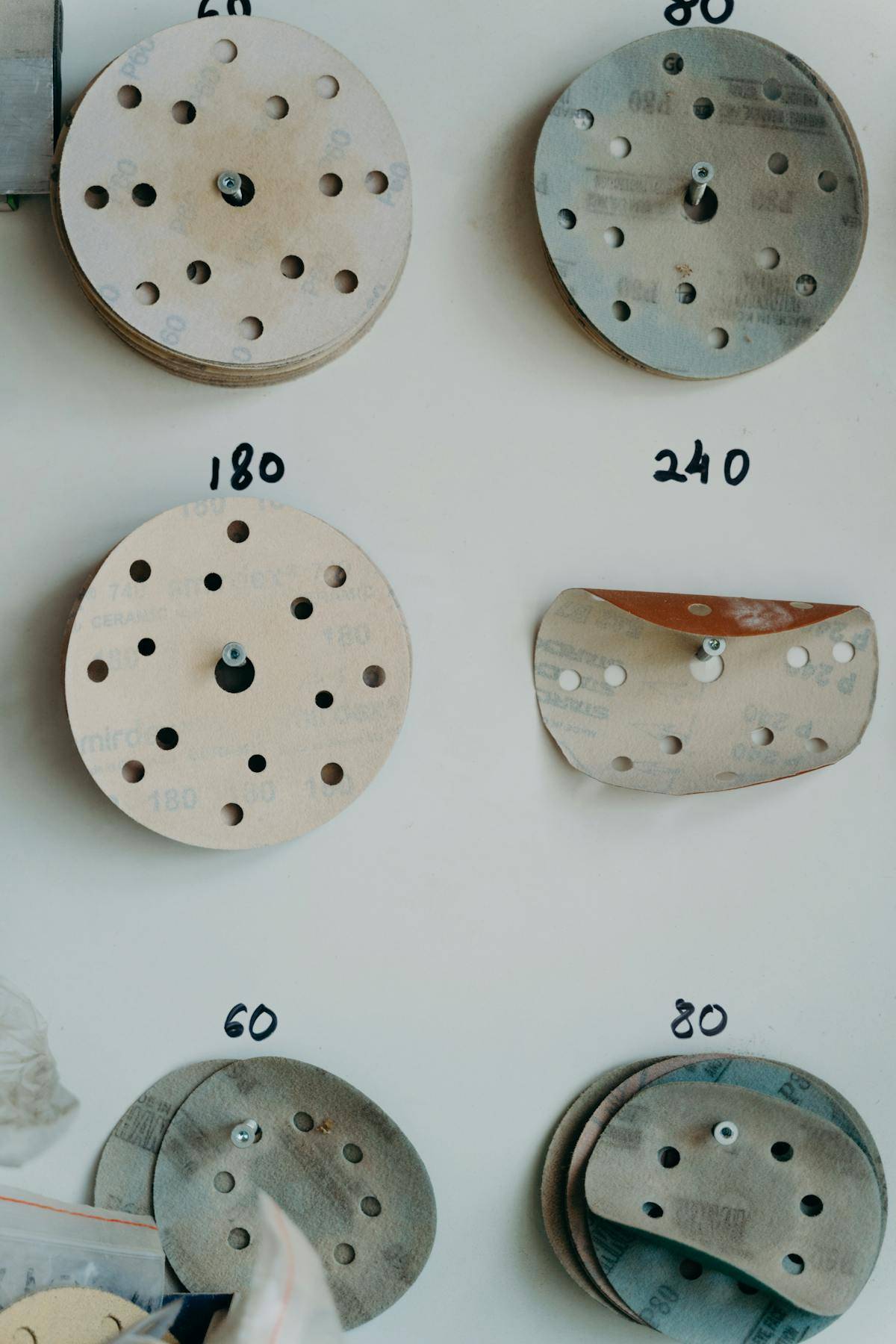
Once your repairs are dry, it’s time to sand. This is where the magic happens. Start with 120-grit sandpaper to level out your patches and knock down any high spots. Then switch to 220-grit for a final smooth pass over the entire wall surface.
The goal here is to make the wall as smooth as possible. Run your hand over the surface.
If you can feel bumps or rough patches, keep sanding. A sanding block will help you get an even finish without creating new divots.
Wipe down the walls with a slightly damp cloth to remove all the sanding dust. Let them dry completely before the next step.
Prime Time
Here’s where knowing how to prep a wall for wallpaper really pays off: the primer. This step is non-negotiable, folks.
Primer creates a uniform surface that helps the wallpaper adhesive grip properly and, just as importantly, makes it possible to remove the wallpaper later without damaging your walls.
Use either a specific wallpaper primer or a high-quality acrylic primer. Roll it on the smooth surfaces just like you would paint, working in even coats and making sure to cover every inch of the wall. Pay attention to edges and corners—those areas need primer too.
Most primers require at least one coat; check the product instructions. Some walls might need two coats, especially if you’re covering a dark color or have made extensive repairs. Let the primer dry completely, which usually takes about 24 hours.
Special Considerations
Previously Painted Walls
If your walls have a glossy or semi-gloss finish, sand the entire surface to dull the sheen or use a deglosser before priming. Wallpaper adhesive won’t stick well to glossy surfaces.
Textured Walls
Got orange peel or knockdown texture? You’ll need to smooth it out first with joint compound and extensive sanding. Wallpaper will telegraph every bit of that texture, and not in a good way.
New Drywall
Fresh drywall is super porous and will suck up wallpaper adhesive unevenly. Prime it well—you might even need two coats of primer to seal it properly.
How to Prep a Wall for Wallpaper: Step-by-Step Directions

Whether you’re painting,re-papering, or finally dealing with that late-‘80s floral situation you’vebeen ignoring, proper wall prep is everything. Your new walls will only look asgood as the surface underneath — so let’s get it right.
Follow these six steps inorder. Don’t skip ahead. We promise it’s worth it.
Materials
- Squirt bottles filled with hot water
- Old towels
- Wallpaper Tiger scoring tool (available at hardware/paint stores)
- Wallpaper steamer (rental, if needed)
- Wide putty knife or scraper
- Soilex or dish detergent + green scrub pad
- Large sponge + bucket of cold water
- Orbital or belt sander
- Lightweight spackling compound
- Drywall patch kit (for larger holes)
- Sandpaper sponge or pole-mounted sanding attachment
- Primer (wallpaper-grade)
- Chalk line (for snapping a plumb line)
Instructions
Strip the Paper
- Start at a seam and give the paper a test peel. You’ll know within seconds whether it’s coming off easily or if you’re in for a battle.
- Fill squirt bottles with hot water, lay towels along the base of the walls, and saturate a section thoroughly. Let it soak. If the paper still won’t budge, bring in the WallpaperTiger — a scoring tool that helps water penetrate the paper. Use it with avlight hand to avoid perforating the drywall beneath.
- Still not cooperating? Rent avwallpaper steamer. It’s messy and cumbersome, but it will dissolve stubborn adhesive every time.
- Scrape every last scrap ofpaper and glue from the walls before moving on.
Wash the Walls
- Mix Soilex or dish detergent with hot water and scrub the walls using a green scrub pad. Rinse thoroughly with a large sponge dipped in fresh cold water, then dry with a towel.
- Run your bare hand along the surface. Any tackiness means glue is still present. Keep washing until the wall feels completely smooth. Then step back and assess.
Sand Stubborn Sections
- If any sections of paper refuse to come off, use an orbital or belt sander to smooth down the edges until no ridge is visible or detectable by touch.
- Once everything is flush and smooth, apply primer over those old sections before moving forward. This is the step that separates a professional finish from one that haunts you every time you walk in the room.
Patch and Fill
- Deal with every gouge, ding, and hole. For larger holes, use a drywall patch kit.
- Sand smooth using a sandpaper sponge or a pole-mounted sanding attachment. Wipe down and remove all dust before proceeding.
Prime the Walls
- Apply a coat of primer. Let the walls dry completely.
Measure, Plan, and Snap Your Plumb Line
- Start in a corner and snap a plumb line to establish a perfectly vertical reference for your first piece of wallpaper.
- Measure the full width of your paper and map it around the room.
The Bottom Line
Learning how to prep a wall for wallpaper might not be the most exciting part of your project, but it’s absolutely the most important.
Think of it this way: you’re investing a few hours of prep work to ensure that your gorgeous new wallpaper looks incredible and lasts for years. That’s time well spent.
The truth is, professional installers spend far more time on prep than on hanging wallpaper, and there’s a reason for that.
A properly prepped wall makes the installation process smoother, the results more beautiful, and the whole project something you’ll be proud of.
So take your time, don’t skip steps, and give your wallpaper the foundation it deserves. Your walls will thank you, and you’ll thank yourself every time you walk into that freshly wallpapered room.
Now get to it—those walls aren’t going to prep themselves!