Transform your apartment patio or balcony into a thriving vegetable garden with a little planning and creativity.
Whether you’re a beginner or an experienced gardener, you can enjoy fresh produce like lettuce, peppers, and tomatoes, right at home.
Discover how to select the right vegetables, essential gardening tools, and vertical gardening techniques to maximize your space.
With proper care, your apartment vegetable garden will yield a rewarding harvest, enhancing your meals and bringing a touch of nature to your lifestyle.

Navigate This Post
Growing your own vegetables on a patio or balcony is a fantastic way to enjoy fresh produce, even if you live in an apartment.
With some clever planning and a bit of creativity, you can turn your small outdoor area into a thriving garden. Imagine stepping outside to pick fresh lettuce, spinach, or even a handful of peppers right from your own plants.
It doesn’t matter if you’re a complete beginner or a seasoned gardener—this kind of gardening is accessible to everyone. Plus, it’s a great way to spend time outdoors and connect with nature.
So, grab some pots and let’s get started on transforming your patio or balcony into a productive vegetable garden!
Choosing the Right Vegetables
Choosing the right vegetables for your apartment garden can significantly impact the success of your garden. Select plants that thrive in containers and small spaces.
Leafy greens, such as lettuce, spinach, and kale, are excellent choices because they grow quickly and require minimal space.
Peppers are another great option. They thrive in pots and can add a vibrant splash of color to your garden.
Cherry tomatoes are an excellent choice for apartment gardens, as they are compact and highly productive.
Not only do they add a pop of color to your garden, but they also provide a burst of flavor in your salads and dishes.
Think about how much sunlight your patio or balcony receives.
If you have plenty of direct sunlight, consider growing sun-loving plants such as peppers and basil.
On the other hand, if your space is more shaded or receives low light, leafy greens like lettuce and spinach will do just fine.
It’s also a good idea to mix it up a bit and plant a variety of vegetables. This not only makes your garden more interesting but also ensures a steady supply of fresh produce.
Fresh herbs such as parsley, thyme, rosemary, and cilantro are also wonderful to grow in small spaces and can bring a burst of flavor to your cooking.
By choosing the right vegetables for your conditions, you will prepare your apartment garden for success and enjoy a steady harvest throughout the growing season.
Essential Tools and Materials
Starting your apartment garden is exciting, and having the right tools and materials can make all the difference to your container garden.
First, you’ll need a variety of pots and containers.
These should have drainage holes to keep your plants from becoming waterlogged. You can use anything from traditional clay pots to creative upcycled containers—just make sure they’re the right size for the vegetables you’re growing.
Next, invest in a good quality potting mix.
This isn’t the same as garden soil; potting soil is specially formulated to retain moisture and provide nutrients for container plants. Most garden centers carry it.
Gardening tools are also essential.
A sturdy trowel helps you plant seeds and seedlings. Pruning shears are great for trimming leaves and harvesting your veggies. And don’t forget a good watering can or hose with a gentle spray setting to keep your plants hydrated without causing damage.
Other helpful items include plant markers to keep track of what you’ve planted and when, as well as a small garden fork for loosening soil. Additionally, fertilizer is important; look for a balanced, all-purpose option to provide your plants with a nutrient boost throughout the growing season.
Lastly, consider getting a kneeling pad or garden gloves to make your gardening experience more comfortable.
With these tools and materials, you’ll be well on your way to a flourishing apartment vegetable garden.
Planting and Caring for Your Garden
Planting your apartment garden is simple and rewarding!
Begin by filling your pots with potting soil, leaving about an inch of space at the top. Follow the seed packet or plant label instructions for the correct planting depths and spacing.
After planting, give your new garden a thorough watering to help settle the soil. Maintain a consistent watering schedule, but always check the soil moisture first; you want the soil to be damp, not soggy.
Fertilizing is essential for container plants since they depend entirely on the contents of the pot. Select a balanced, all-purpose fertilizer and follow the recommended schedule on the package.
Lastly, rotate your pots occasionally to ensure even growth, especially if sunlight is limited to one direction. This can help prevent uneven growth and ensure that your veggies develop uniformly.
By providing your plants with proper care, you’ll be rewarded with a thriving, productive garden to enjoy all season long.
Maximizing Space with Vertical Gardening
If you’re tight on space, vertical gardening can be a game-changer.
Think shelves, trellises, and hanging planters. Shelves can hold multiple pots, making it easier to organize and access your plants.
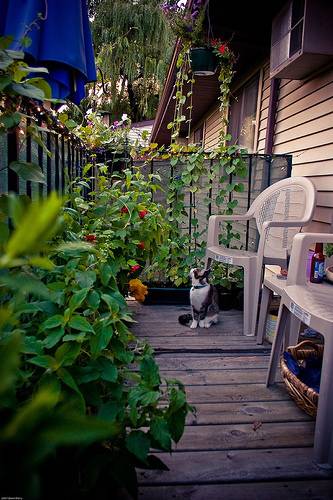
Trellises are fantastic for supporting climbing plants such as peas, beans, and even cucumbers, allowing them to grow upward instead of sprawling out.
Hanging planters are perfect for trailing herbs like basil or thyme, freeing up floor space for other veggies. You can also grow strawberries in a hanging basket.
Using vertical structures saves space and creates a visually appealing garden. You can even get creative with wall-mounted planters or stackable pots to add a unique touch to your setup.
The key is to use your vertical space effectively, providing each plant with enough room to thrive while keeping your garden organized.
This allows you to maximize your small area and still enjoy a diverse, productive garden.
Troubleshooting Common Issues
Every garden has its hiccups, and your apartment vegetable garden is no exception.
Pests can be a nuisance, but there are natural ways to keep them at bay. Signs of pests may include holes in leaves or eggs laid on foliage.
Introducing beneficial insects, such as ladybugs, can help control the population of harmful pests. You can also make a simple insecticidal soap with water and dish soap to spray on affected plants.
Another common issue is overwatering, which can lead to root rot. Ensure your pots have proper drainage and check the soil moisture before watering. If the top inch of soil is dry, it’s time to water.
If you notice yellowing leaves or stunted growth, your plants might be lacking nutrients. Using a balanced, all-purpose fertilizer can help keep your veggies healthy.
Also, be on the lookout for signs of disease. Fungal infections can often be prevented by ensuring good airflow around your plants. Regularly prune dead or crowded leaves to improve air circulation.
By keeping an eye on your plants and addressing issues as they arise, you can enjoy a healthy and thriving apartment vegetable garden.
Enjoying Your Homegrown Harvest
It’s time to enjoy the fruits (or veggies!) of your labor.
Harvesting your homegrown produce is one of the most rewarding parts of gardening.
For leafy greens like lettuce and spinach, you can pick the outer leaves as needed, allowing the inner leaves to continue growing. This way, you’ll have a continuous supply of fresh greens.
Peppers, on the other hand, should be picked when they have fully developed their color, whether it’s green, red, or yellow, depending on the variety.
Be sure to use a sharp pair of pruning shears to avoid damaging the plant.
Integrating your fresh vegetables and herbs into your meals is a delight. Toss your homegrown lettuce and spinach into salads, add freshly picked basil to your pasta, or use thyme to season your favorite dishes.
These fresh ingredients not only taste better but also offer more nutrients compared to store-bought options.
Cooking with your own produce is not just about taste, it’s also about the pride and joy of eating something you’ve nurtured from seed to harvest.
Your patio or balcony garden has truly paid off!
My Final Thoughts on Starting an Apartment Vegetable Garden
Starting an apartment vegetable garden on your patio, balcony, or even rooftops is a fun and practical way to bring fresh produce right to your doorstep.
It’s amazing how a small outdoor space can transform into a lush, productive garden with a bit of planning and care. Don’t worry if you’re new to gardening; it’s all about learning and experimenting.
Remember to choose vegetables and herbs that suit your space and light conditions. Keep your tools handy and maintain a regular care routine to keep your plants healthy.
Vertical gardening can help you maximize the available space, and it’s both efficient and visually pleasing.
Stay attentive to your plants’ needs, making sure to check for pests,stay on top of proper watering, and provide the necessary nutrients.
This attention will help your garden thrive.
And when it’s time to harvest, you’ll truly appreciate the fresh flavors and vibrant colors of your homegrown veggies.
Incorporate your harvest into your meals and share the bounty with friends or family. There’s a unique satisfaction in cooking with ingredients you’ve grown yourself.
Your small patio or balcony can become a source of joy, relaxation, and fresh food, making urban living a bit greener and more fulfilling. Happy gardening!