
Why do they call it oil cloth? What is currently being sold in stores as oilcloth is actually made from cotton fabric covered with a petroleum-based coating. However, genuine oilcloth (the real thing grandma had on her kitchen table) is made from cotton, canvas, or linen fabric coated in linseed oil. The fabric can be dyed or printed before the linseed treatment, and the oil gives it a water-resistant surface. Genuine oilcloth (also known as oilskin) is biodegradable in a landfill. The “real” oilcloth sold in stores today is made from PVC or polyvinyl chloride, and as such does not break down in a landfill.
Here’s how to make oilcloth, the old-fashioned way:
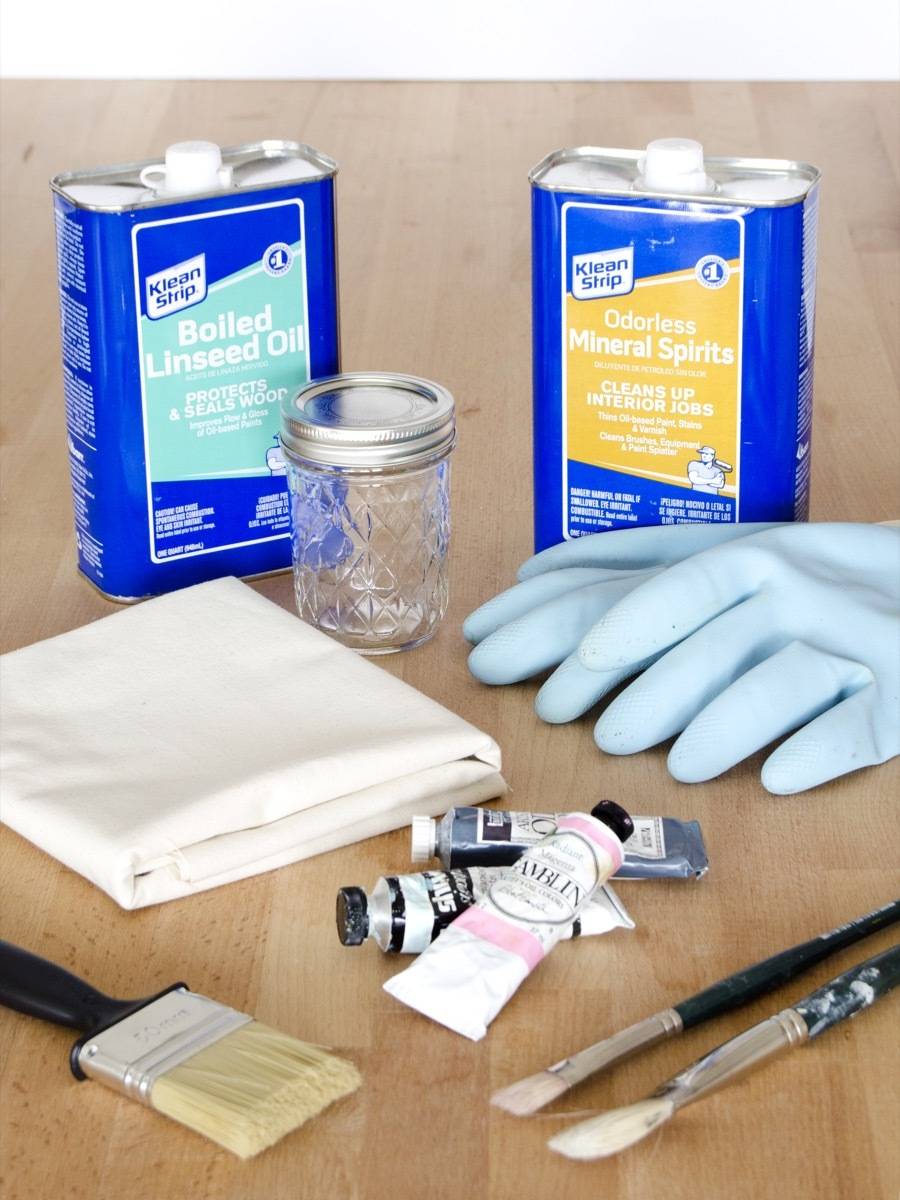
Materials for DIY Oilcloth
- Heavy cotton, linen, duck, or canvas fabric
- Boiled linseed oil
- Mineral spirits
- Paintbrush
- Sealable glass or metal container
- Respirator
- Rubber or latex gloves
- Clothesline or wooden stretcher
- Oil paint or oil dyes (optional)
Step
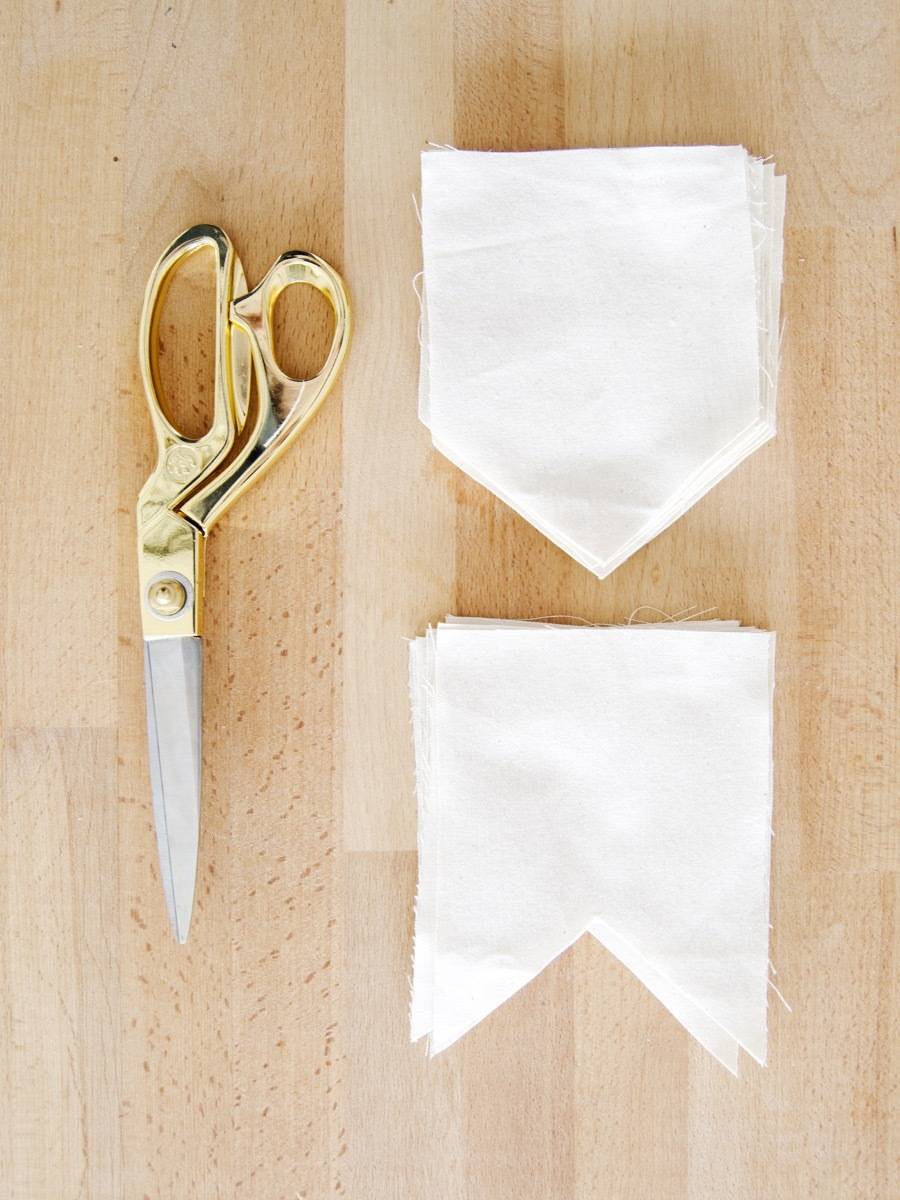
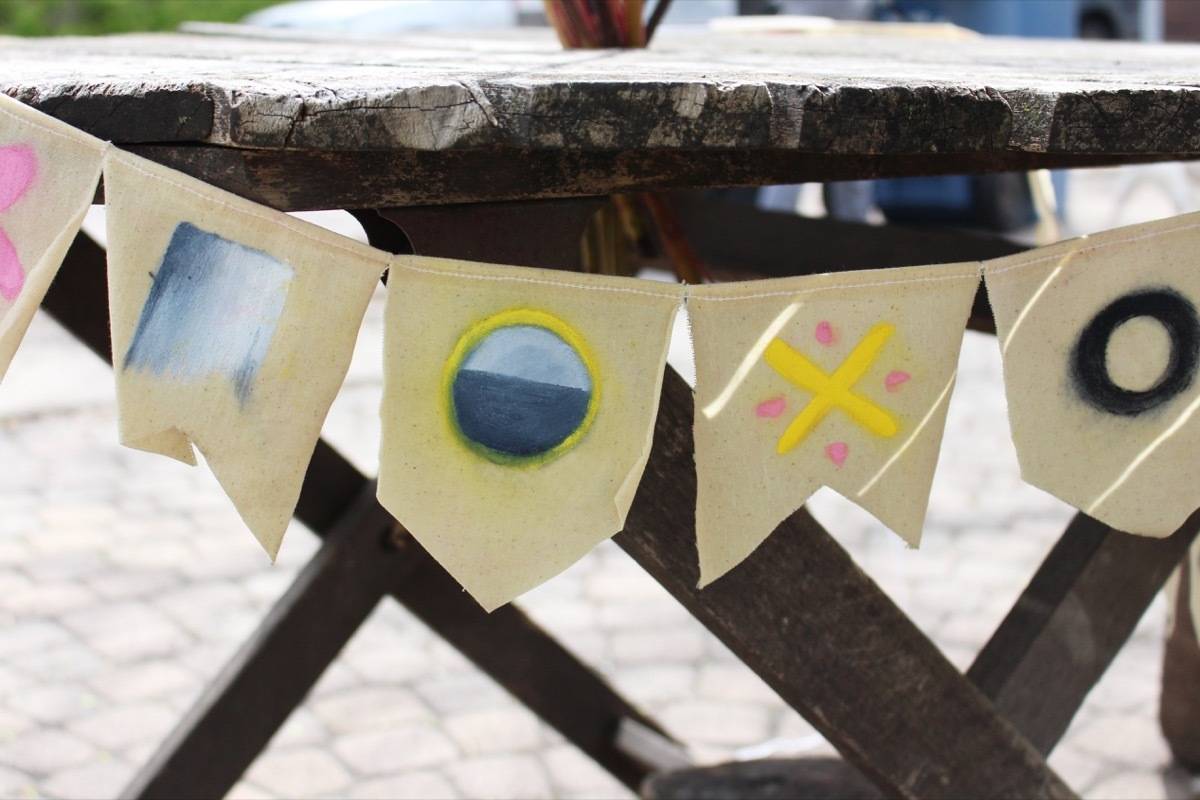
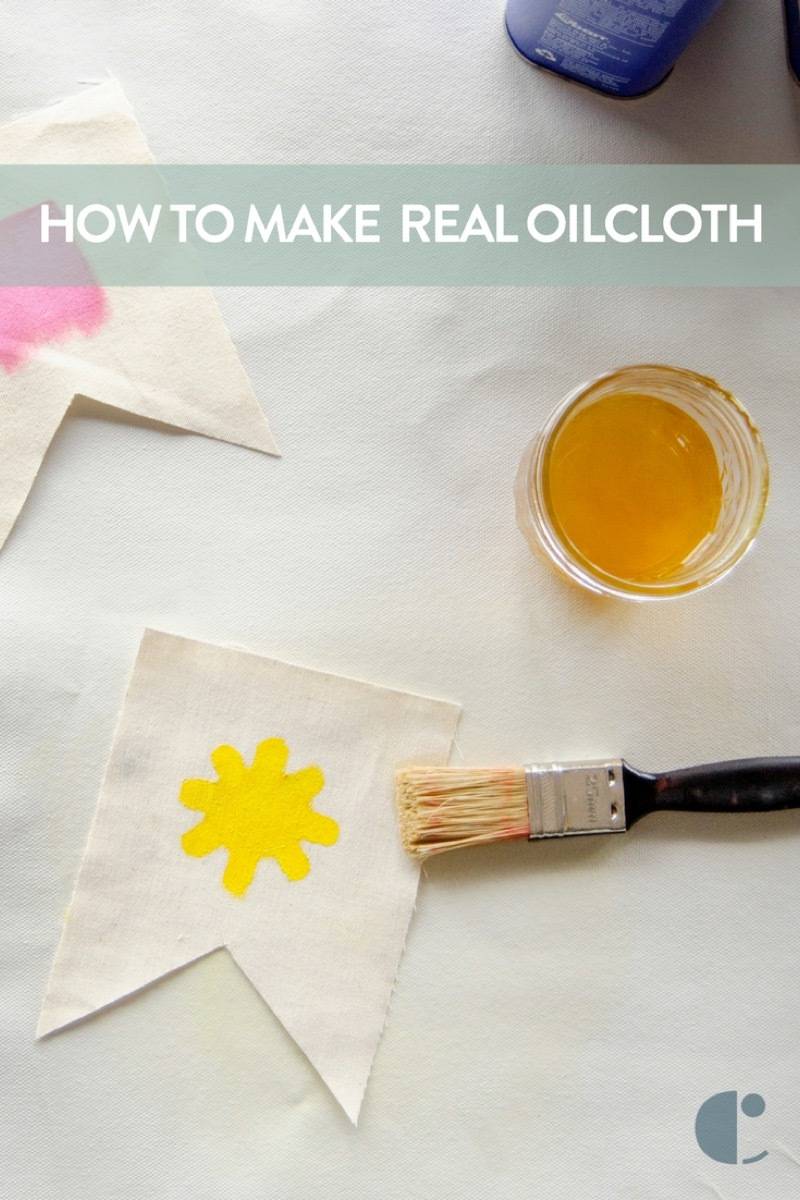
If you know what you’ll be making from your oilcloth, cut your fabric down to the appropriate size first. I made an outdoor bunting banner with my oilcloth, so I began with the banner shapes. In doing so, I didn’t end up having to oil-coat a bunch of extra fabric I wasn’t going to use.
Step
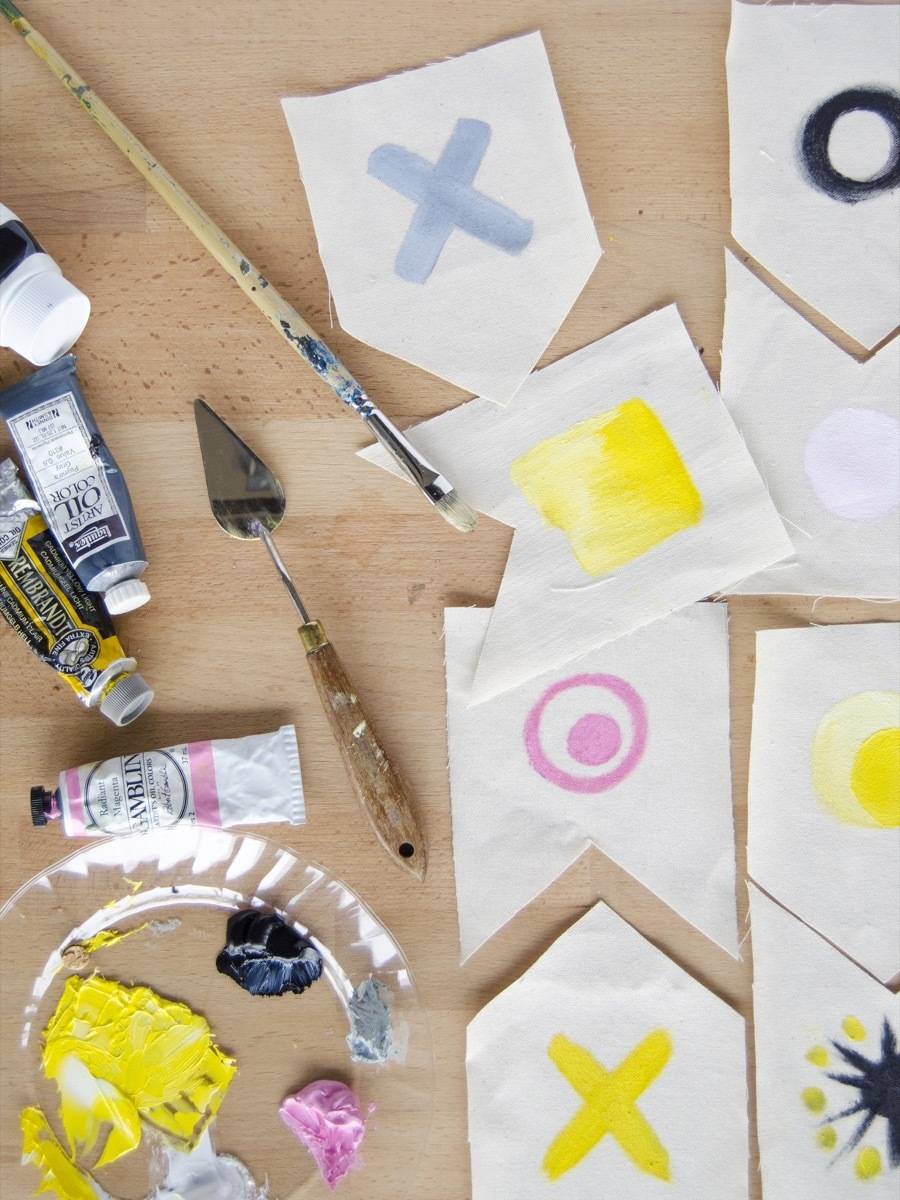
If you want to add designs to your fabric before waterproofing it, do so now. Create designs by tie-dyeing, stamping, or painting with oil dyes or paints. After the designs are done, let the fabric dry completely (overnight).
Step
For the rest of this tutorial, it would be best to work outside as the vapors and smell of linseed oil and mineral spirits are strong. Put on a respirator and some gloves. In a sealable container, mix together 1 part mineral spirits and 1 part boiled linseed oil. The mineral spirits will aid the linseed oil in drying faster.
Step
If you are oil-treating a large piece of fabric, stretch the fabric onto a frame for stability and smoothness, or hang from a clothesline. If you are treating a smaller surface (like I did), lay down a drop cloth before oil-treating the fabric.
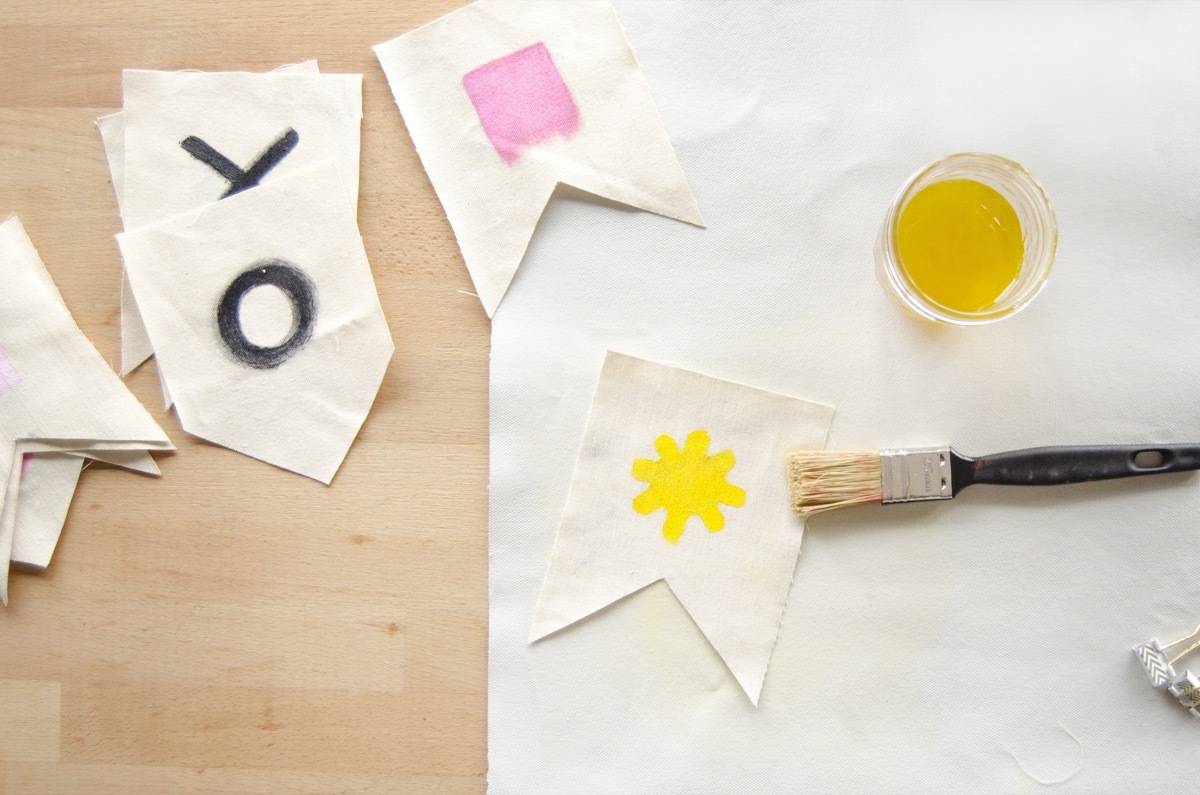
With long brush strokes, cover the entire piece of fabric with the linseed oil/mineral spirits mixture.
Step
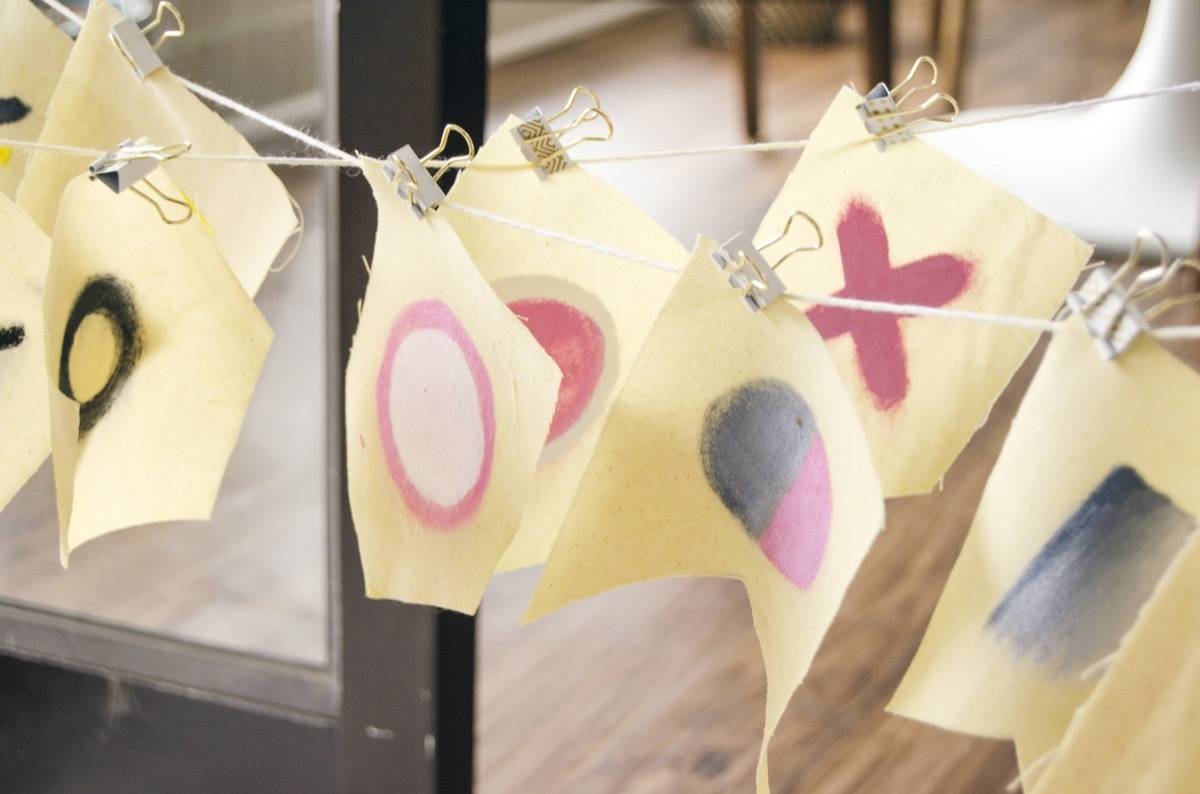
If your fabric is on a stretcher, leave outside to dry*. If you are oil-treating smaller pieces, hang from a clothesline outside to dry. Allow the oilcloth to completely dry (anywhere from a day to a week).
If you want to increase the water-resistant effect of oil treating, apply a second coat of the linseed oil/mineral spirits mixture, and let dry as before.
If you want to make an entirely water-resistant piece of material, dip the item completely in the linseed oil/mineral spirits mixture, let dry, and repeat.
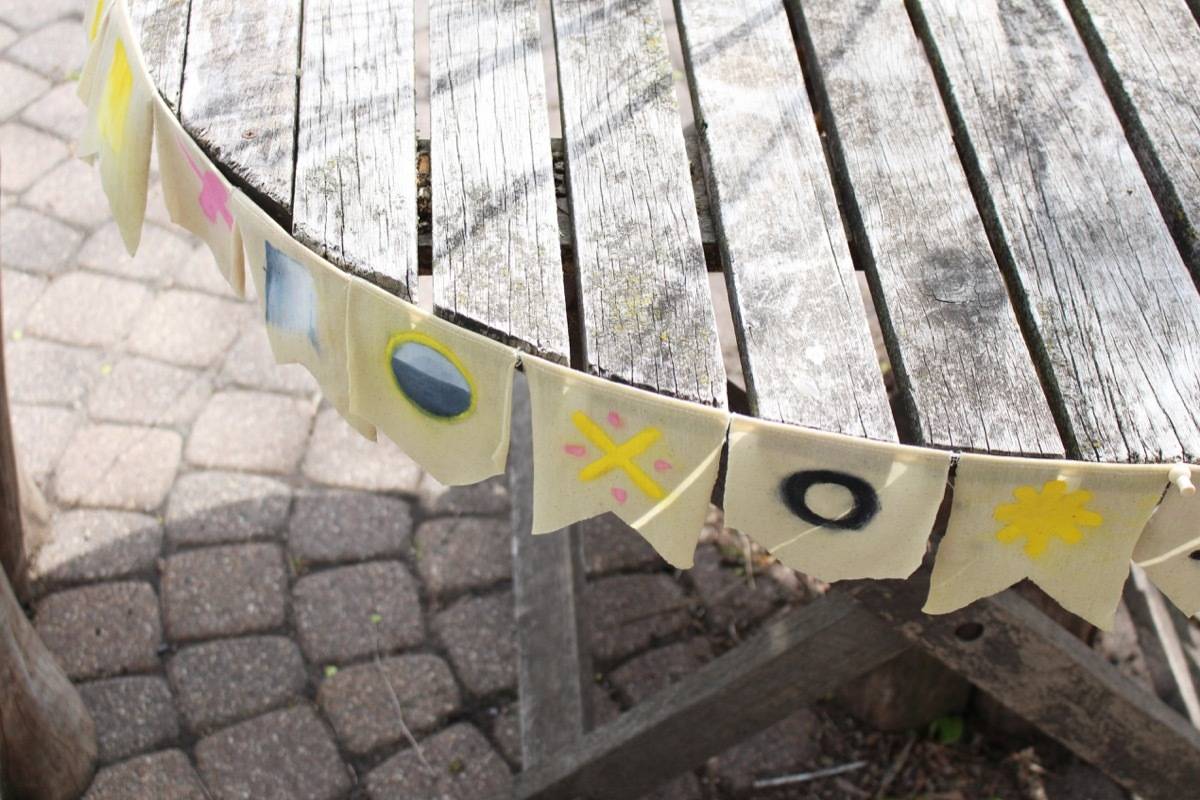

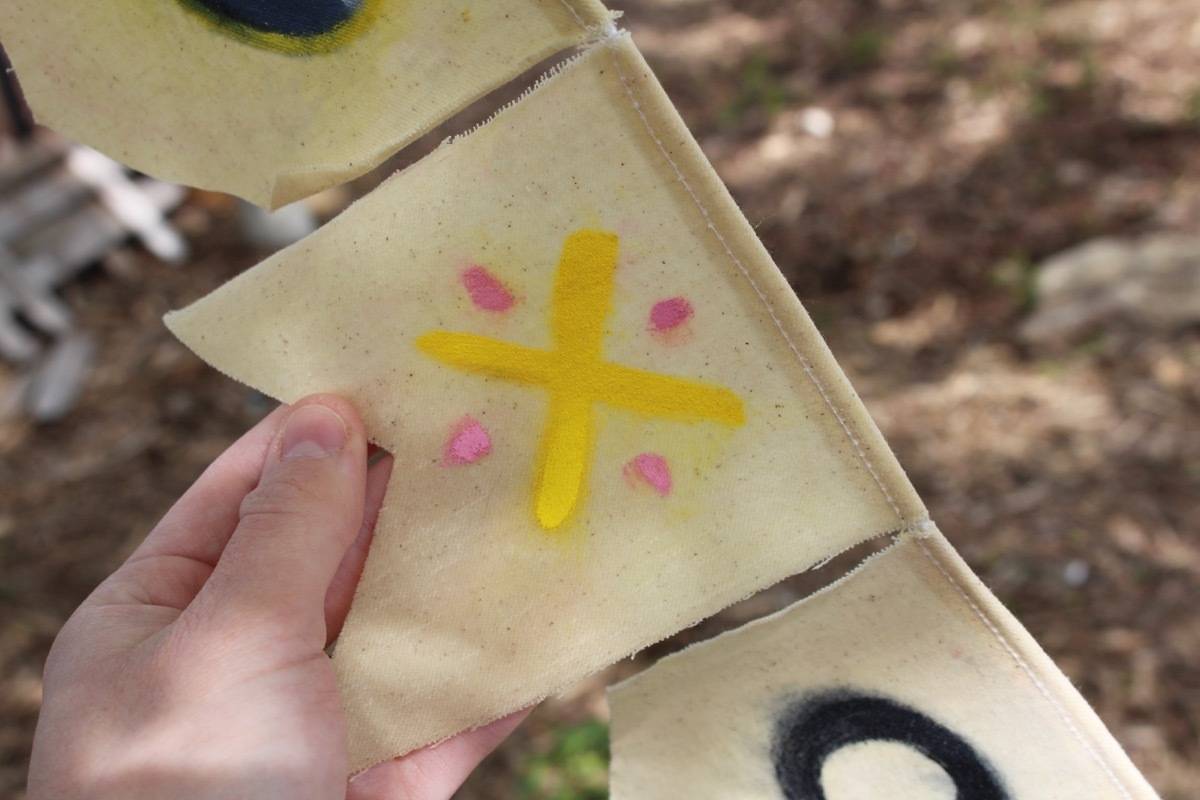

Linseed oil does tend to carry a smell with it for a while after it’s been applied. I would recommend leaving your new oilcloth outside for a few days to air it out before bringing it into your home.
Here’s an oilcloth upholstery tip: When using real or PVC oilcloth as your upholstery fabric, use thicker staples. Staple diagonally to the grain of the fabric and use a heavier grade of fabric. Laminated fabric tends to tear like paper if you staple with the grain and using finer staples.
If you dig waterproof textiles, you’ll love this tutorial on how to turn plastic bags into flexible fabric!



Beware, what is sold as “boiled” linseed oil in the hardware store actually contains toxic solvents as drying agent instead of using the traditional boiling method. I am reading alot about toxic chemicals lately after geting a chemical allergy from using a product called liquid wrench. I have since learned that it contains cancer causing benzene. Varnishes and linseed oils can contain toluene which is used in shale gas extraction aka “fracking. It is a neurotoxicant and exposure to it has been proven to lower ones IQ. It is also found in nail polish and people can develop an addiction to it. Fortunately we found solventfrepaint.com who sells “all back” organic boiled linseed oil to finish our wood floors with. I recomend this product and the book “detoxify or die” by sherry rogers. Glad I found this post I will attempt to use “all back” to make my oil skin. Thanks for the how to.
P.S. mineral spirits and polyurethane are toxic too.
Hi, I would like to know where I can send fabric (tablecloth) to have it turned into oilcloth. Your article above mentions that there are several companies but I can not access that link.
Thank you,
I’ve used tung oil wiht citrus solvent to cure wood and stone and in my research it looks like tung oil was used for cloth and paper too. Am definitely going to try that. Got them at realmilkpaint.com
@Nadine, I’m sure that turpentine like many substances is toxic if taken internally, and that at least some people will be sensitive to it on the skin. According to wikipedia:
“As an organic solvent, its [turpentine’s] vapour can irritate the skin and eyes, damage the lungs and respiratory system, as well as the central nervous system when inhaled, and cause renal failure when ingested, among other things. Being combustible, it also poses a fire hazard. Due to the fact that turpentine can cause spasms of the airways particularly in people with asthma and whooping cough, it can contribute to a worsening of breathing issues in persons with these diseases if inhaled.”
Most spray paints have similar characteristics. Like other chemical substances, turpentine should be used with care. It seems to me that some people would also be sensitive to traditional oilcloth for the same reasons if it was in long-term contact with their skin. However, oilcloth does have characteristics that would make some people want to use it. Artists have used turpentine carefully for many years, but I would not recommend its use by children.
Martha
You really do not need to use terpentine. Some linseed oils have terpentine in them but some do not. Boiled linseed oil has terpentine in it. I would just use natural linseed oil and make sure it does not catch fire because Linseed oil has a tendancy to self-heat as it dries.
Many older oil cloth recipes use beeswax and linseed oil. I have coated several homemade canvas bags with a mixture of of the above and a little mineral spirits to keep the mixture soft. It is a lot of work to get it evenly coated but the end result is a bag that will be highly water resistant and wear like Iron. I have two bags that have stood up to 14 years of hunting and boating.
I remember from being an art student that linseed has a very distinctive odor. How does this work out when making oilcloth for a tablecloth??
The linseed oil odor lingers for a few months. I hung my coated canvas bags out side for a week and that helped a lot.
Thank you SO much for this! I have pinned it 3 times. I’ve been looking for something to back a picnic quilt I’m making. I’ve seen suggestions of shower curtains – yuch! I’ve been looking at “oilcloth” fabric and it’s either ugly or too expensive. This will work the best. I’ve used linseed oil before – mixed with turpentine to stain a fence…Thanks again!
@Lynn so glad to hear it! Oilcloth would make a great outdoor backing material. Good luck with your project! =)
Mineral spirits and turpentine are both solvents. They are used to aid the oil – linseed in any form raw, stand, boiled, etc) – to penetrate the fabric or wood, to speed drying time, or to make more fluid. Once the solvent is dry, it does not leave any hazards with contact. Real Milk Paint Company has an excellent explanation of this process with tung oil and solvent, a process which I have used on my wood counter tops. The concerns around plastics are that the molecules continue to migrate, this is why all the concern around heating plastic food containers, etc. The other concern with vinyl is that it continues to off-gas through its material life, while mineral spirits and turpentine do not, they have a short off-gasing period. These are the volatile organic compounds, VOCs, that we hear about and that have been by regulation largely removed from conventional paints (latex and acrylic house paints), that’s a good thing for young, developing lungs. It hasn’t been discussed in this thread, but I would guess that if you can still strongly smell the oil on a DIY oilcloth then it still has the potential for spontaneous combustion. As a painter, the rule was always to spread out rags to avoid combustion or store in a firesafe metal container. I’d like to try this, but will keep it on the clothesline for awhile, though the oil itself is not a concern for food contact.
Thank you so much for this! I bought “oilcloth” from Amazon, only to realize when it arrived, that it is actually stinky vinyl! So now I will make my own. I was stupid to think I could get the real deal from Amazon.
I’m a retired house painter so I know quite a lot about linseed oil, mineral spirits, etc. Linseed oil oxidizes as it dries. This is what makes the protective skin but this oxidization also produces heat. Once dry, it is perfectly safe. However, boiled linseed oil does contain added “driers” and these are often based on heavy metals. Not a huge danger but don’t let your kid chew on it.
I would use turpentine rather tha mineral spirits. It’s natural and it smells better
If i oiled a linen apron, could it then be put in the washing machine? Would it all wash off, or would it ruin the machine/pipes/be a pollutant?
Thanks!
I don’t know about that. I would imagine you would lose much, if not all of the benefits with the washing machine water. Ha! I really don’t know.